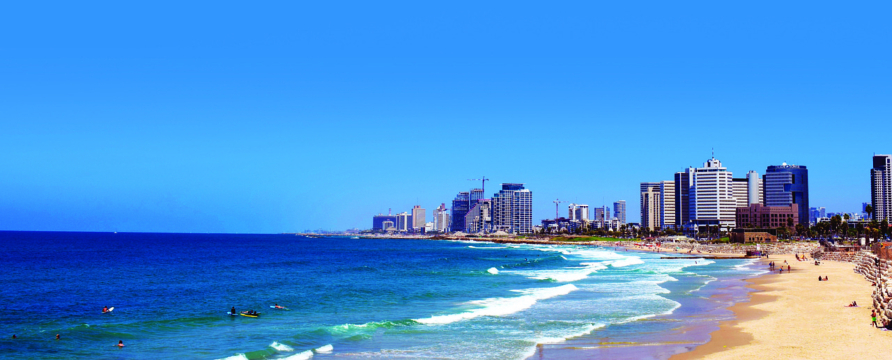
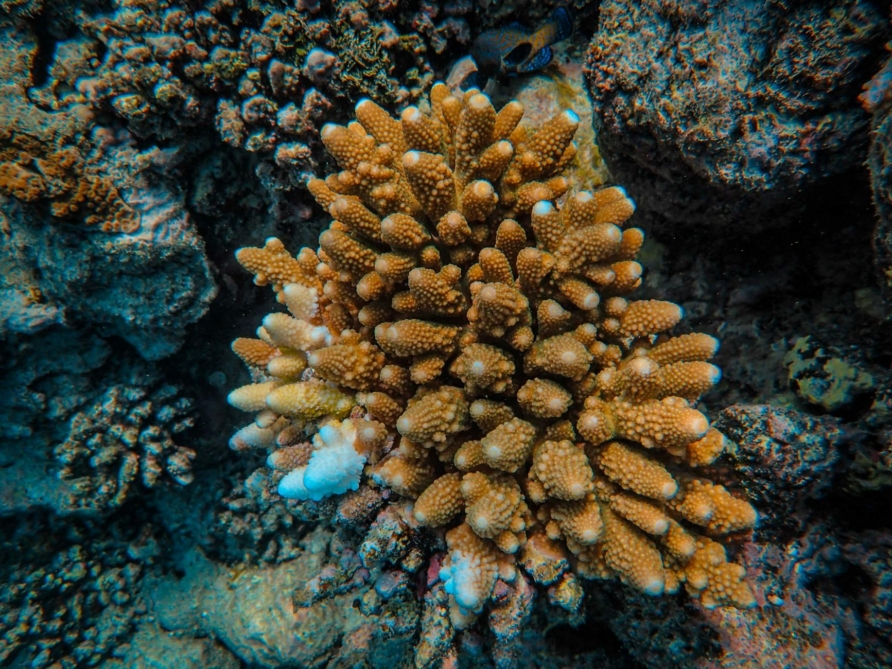
Two cities, two completely different experiences. Tel Aviv is a cosmopolitan Mediterranean metropolis — buzzing, creative, and relentlessly modern. Eilat is a sun-soaked Red Sea resort town perched at the edge of the desert, famous for its coral reefs and year-round warm weather. Both are exceptional in their own right, but the right choice depends entirely on what kind of trip you’re planning.
This guide breaks down everything you need to know to choose between Tel Aviv and Eilat for your Israel stay.
At a Glance
| Tel Aviv | Eilat | |
|---|---|---|
| Vibe | Urban, cosmopolitan, trendy | Resort, relaxed, nature-focused |
| Beach | Mediterranean, sandy, busy | Red Sea, crystal-clear, snorkeling |
| Nightlife | World-class | Limited |
| Culture & Food | Exceptional | Basic |
| Best season | Spring & Autumn | Winter & Spring |
| Ideal for | City lovers, foodies, couples | Families, divers, sun seekers |
| Distance from Jerusalem | 1 hour | 4.5 hours |
Tel Aviv: The City That Never Sleeps
Tel Aviv is Israel’s cultural and economic capital — a city that somehow manages to be both deeply Mediterranean and unmistakably global. It was named one of the world’s top food cities by multiple international publications, and its nightlife scene is legendary.
Why Choose Tel Aviv
The Beach Scene Tel Aviv’s 14-kilometer beachfront is one of the great urban coastlines in the world. Gordon Beach, Frishman Beach, and Hilton Beach each have their own personality — from family-friendly to party-forward. The water is warm from May through October, and the promenade (Tayelet) is always alive with joggers, cyclists, and café-goers.
Food and Culture Tel Aviv is a food lover’s paradise. From Carmel Market’s overflowing stalls to cutting-edge restaurants in the Florentin neighborhood, eating in Tel Aviv is an experience in itself. Add world-class contemporary art at the Tel Aviv Museum, the UNESCO-listed White City’s Bauhaus architecture, and the ancient port of Jaffa, and you have a city that rewards exploration.
Nightlife Tel Aviv’s nightlife is genuinely world-renowned. Clubs in the Florentin and HaTachana areas stay open well into the morning. The city also has a thriving bar scene, rooftop terraces, and live music venues for every taste.
Connectivity Tel Aviv’s Ben Gurion Airport is Israel’s main international hub. Most flights land here, making it the natural starting point for any Israel trip. Day trips to Jerusalem, Caesarea, and the Dead Sea are all easily done from Tel Aviv.
Who Should Stay in Tel Aviv
- Couples and solo travelers looking for a vibrant city break
- Foodies and culture enthusiasts
- First-time visitors to Israel who want to experience the country’s modern identity
- Anyone combining Israel with a multi-city itinerary
Eilat: Israel’s Red Sea Resort
Eilat sits at the very tip of Israel, bordered by Jordan to the east and Egypt to the west. It has just one purpose: making sure you have a perfect holiday in the sun. The city is compact, easy to navigate, and built entirely around leisure.
Why Choose Eilat
The Red Sea Eilat’s water is warm year-round and astonishingly clear. The coral reefs of the Red Sea are among the most biodiverse in the world, and Coral Beach Nature Reserve is one of Israel’s most spectacular natural sites. Whether you snorkel, dive, or simply wade in the shallows, the underwater world here is unforgettable.
Year-Round Sunshine While Tel Aviv can be rainy and chilly in winter, Eilat enjoys over 360 days of sunshine per year. Temperatures in January hover around 20–22°C — ideal for beach days when the rest of Israel is cold. This makes Eilat the go-to destination for Israelis escaping winter, and an exceptional choice for European travelers visiting between November and March.
Water Sports and Outdoor Activities Beyond snorkeling and scuba diving, Eilat offers glass-bottom boat tours, parasailing, jet skiing, and deep-sea fishing. Inland, the dramatic desert landscape of the Negev and the Timna Valley provide excellent hiking and jeep safari opportunities.
Family-Friendly Eilat is extremely well set up for families. Dolphin Reef — where you can swim alongside trained dolphins — is a highlight for children. The city’s compact size and resort atmosphere make logistics easy, and the calm Red Sea waters are safe for young swimmers.
Who Should Stay in Eilat
- Families with young children
- Divers and snorkeling enthusiasts
- Travelers visiting Israel in winter
- Sun seekers who prioritize beach time over city exploration
The Key Differences
Weather and Seasonality
Tel Aviv’s best seasons are spring (March–May) and autumn (September–November) — warm, sunny, and uncrowded. Summer is hot and humid. Winter is mild but can be rainy.
Eilat, by contrast, is a winter destination at its best. The dry desert climate means virtually no rain, and winter temperatures are perfect for swimming. Summer in Eilat can be extremely hot (up to 42°C), making beach days challenging.
Cost
Both cities are comparable in terms of accommodation pricing. Tel Aviv tends to be slightly more expensive for dining and nightlife. Eilat, being a duty-free zone, offers cheaper alcohol and some imported goods — a notable perk for longer stays.
Getting There
Tel Aviv is served by Ben Gurion International Airport with connections worldwide. Eilat is reached via Ramon Airport, which receives some direct international flights (particularly from Europe) but has fewer connections. Domestic flights between Tel Aviv and Eilat take about 50 minutes.
Can You Do Both?
Absolutely — and many visitors do. A classic Israel itinerary might combine:
- 3–4 nights in Tel Aviv (city, food, culture, beaches)
- 2–3 nights in Jerusalem (history, religion, Old City)
- 3–4 nights in Eilat (diving, relaxation, Red Sea)
This gives you the full spectrum of what Israel has to offer. A short domestic flight or a 4.5-hour drive connects Tel Aviv and Eilat.
Need help planning? Our free city guides cover both destinations in detail.
Where to Stay: Short-Term Rentals vs Hotels
For both destinations, short-term rentals offer a significant advantage over hotels — more space, a kitchen, and a more authentic local experience. KeyHost manages premium holiday rentals across Israel, including properties near Tel Aviv’s beachfront and in the Eilat area.
Whether you’re planning a romantic getaway in Tel Aviv or a family week in Eilat, staying in a well-managed short-term rental gives you the flexibility and comfort that hotels simply can’t match.
👉 Browse available properties at keyhost.online
Verdict: Which Should You Choose?
Choose Tel Aviv if: you want culture, food, nightlife, and a vibrant city beach scene. If this is your first time in Israel or you’re visiting spring through autumn, Tel Aviv is the natural choice.
Choose Eilat if: you’re traveling in winter, you’re a diving or snorkeling enthusiast, or you’re visiting with young children who will love the calm Red Sea waters and dolphin experience.
Choose both if: you have 10 days or more and want to experience everything Israel has to offer.
Israel is a small country — and that’s its greatest advantage. You don’t have to choose just one destination.