Israel is one of the most extraordinary destinations on earth. Few countries pack so much into such a small space — ancient ruins and modern skyscrapers, sacred sites and vibrant beaches, desert landscapes and lush northern valleys. Whether you are drawn by history, spirituality, food, architecture, or simply the energy of a country unlike any other, Israel consistently delivers more than visitors expect.
After a period of disruption, 2026 marks a genuine turning point for Israeli tourism. International flights have resumed on major routes, new hotels and boutique properties are opening across the country, and the infrastructure that makes Israel one of the most accessible destinations in the Middle East is fully operational. If you have been waiting for the right moment to visit, that moment is now.
This guide covers everything you need to know before traveling to Israel — from the best time to visit and how to get around, to practical tips on money, culture, safety, and where to stay.
Why Visit Israel in 2026?
Israel is a country of extraordinary contrasts, and that is precisely what makes it so compelling. In a single day, you can walk the ancient stones of Jerusalem’s Old City in the morning, swim in the Mediterranean by afternoon, and dine at a world-class restaurant in Tel Aviv by evening. Few destinations on earth offer that range.
The country is also remarkably compact — roughly the size of New Jersey — which means you can genuinely explore multiple regions in a single trip without spending hours in transit. The north and south, the coast and the desert, the religious and the secular: all of it is within reach.
Beyond the geography, what sets Israel apart is the depth of experience it offers. The history here is not background scenery — it is alive in the streets, the food, the conversations. This is a place where the ancient and the contemporary exist side by side in a way that feels entirely natural.
In 2026 specifically, tourism infrastructure has been significantly upgraded. New direct routes from North America, Europe, and Asia have been added. Several landmark hotels have completed major renovations. And the country’s reputation for hospitality — always strong — has been reinvigorated by a tourism sector eager to welcome visitors back.
When Is the Best Time to Visit Israel?
Timing your trip well makes an enormous difference in Israel. The country’s climate varies considerably by season and by region, and certain periods are significantly better than others for travel.
Spring — March to May
Spring is widely considered the best time to visit Israel. Temperatures across the country are warm but not oppressive — typically between 18°C and 26°C in most regions — and the landscape is at its most beautiful, with wildflowers blooming across the Galilee and the Negev. Crowds are manageable, prices are reasonable, and the days are long enough to fit in serious sightseeing.
The one consideration in spring is the Jewish holiday calendar. Passover (Pesach) typically falls in March or April and brings significant domestic travel, which means hotels in popular destinations can fill up quickly and prices rise. Plan and book well in advance if your trip overlaps with Passover.
Autumn — September to November
Autumn is the other ideal travel window. The summer heat has subsided, the sea is still warm enough for swimming (particularly in September and October), and the post-summer lull means better availability and prices. Rosh Hashanah and Yom Kippur fall in September or October — during Yom Kippur, the country essentially shuts down for 25 hours, which is a remarkable experience to witness but requires advance planning.
Summer — June to August
Summer in Israel is hot. Along the coast, temperatures typically reach 30–33°C with high humidity. Inland and in Jerusalem, it can be even hotter and drier. The Dead Sea region and the Negev Desert are brutally hot in midsummer, with temperatures regularly exceeding 40°C.
That said, summer is also when the country is most alive. Tel Aviv’s beach culture is at its peak, outdoor events and festivals fill the calendar, and the long evenings are perfect for exploring. If you travel in summer, plan outdoor activities for early morning or after 5pm, stay well hydrated, and embrace the culture of long afternoon breaks.
Winter — December to February
Winter is mild in most of the country and often underrated as a travel season. Jerusalem can be cold — temperatures drop to 5–10°C at night — and there is occasional snow on higher ground. The Galilee sees significant rainfall. But the coast remains pleasant, crowds are minimal, and prices are at their lowest.
Winter is an excellent time to visit the Dead Sea region, Eilat, and the Negev, where temperatures remain comfortable even when the north is cold. It is also a beautiful time to visit Jerusalem, which takes on a different and more contemplative character in the quieter months.
Getting to Israel
By Air
Ben Gurion International Airport, located 20 kilometres southeast of Tel Aviv, is the country’s main international gateway. As of 2026, direct flights operate from most major hubs in Europe, North America, and Asia.
Major carriers with regular service include El Al (Israel’s national carrier), Delta, United, American Airlines, Air France, British Airways, Lufthansa, Swiss, Turkish Airlines, and several low-cost European carriers. Flight times are approximately 5 hours from Western Europe, 11–12 hours from the US East Coast, and 3–4 hours from Eastern Europe.
Book flights as early as possible, particularly for travel during Jewish holidays, school breaks, and summer. Prices can rise sharply in peak periods.
Entry Requirements
Most Western passport holders can enter Israel visa-free for up to 90 days. Check your country’s specific requirements before travel, as these can change. All visitors must have a passport valid for at least 6 months beyond the date of entry.
Israeli border control is thorough and professional. Be prepared for detailed questioning at the airport, particularly on your first visit. This is standard procedure and not a cause for concern. Carry your accommodation details and a rough itinerary.
One practical note: if you plan to visit certain Arab countries after Israel, be aware that some countries do not admit travelers with Israeli stamps in their passport. If this is relevant to your travel plans, ask immigration officers at Ben Gurion to stamp a separate entry card rather than your passport.
Getting Around Inside Israel
Train
Israel’s national rail network, operated by Israel Railways, is the most comfortable and reliable option for intercity travel. The main line connects Tel Aviv, Haifa, Netanya, and continues north along the coast. A separate high-speed line connects Tel Aviv to Jerusalem in around 30 minutes. Be’er Sheva in the south is also well-connected.
The train from Ben Gurion Airport runs directly to Tel Aviv’s main stations and takes approximately 25 minutes — fast, affordable, and far easier than navigating airport traffic by taxi.
Trains run frequently on weekdays and Saturdays until sundown (Shabbat). On Friday afternoons and Saturdays, service is significantly reduced or suspended on most lines. Plan accordingly if you are arriving or departing over a weekend.
Bus
Egged and Dan operate the country’s extensive intercity and urban bus networks. Coverage is comprehensive — including smaller towns and rural areas that the train does not reach — and fares are affordable. The Rav-Kav card is a reloadable transit card that works across bus and rail services and saves money compared to single tickets.
Long-distance buses are comfortable and air-conditioned. Journey times are longer than train but often more direct for certain routes, particularly in the south and Galilee.
Car Rental
Renting a car is strongly recommended if you plan to explore the Galilee, the Golan Heights, the Negev Desert, or smaller towns and villages off the main transit routes. The freedom a car provides is significant — many of Israel’s most beautiful and interesting sites are simply not accessible by public transport.
Roads throughout Israel are well-maintained and clearly signposted in Hebrew, Arabic, and English. Driving is on the right. Israeli drivers are assertive — be alert, patient, and use your horn freely (this is entirely normal here).
Car rental is available at Ben Gurion Airport and in all major cities. International driving licences are accepted. Book in advance during peak periods.
A note on Shabbat: if you rent a car, you will have no issues traveling on Shabbat — roads are quiet, parking is easy, and major tourist sites remain open. For those relying on public transport, Shabbat requires careful planning.
Sherut (Shared Taxi)
The sherut is one of Israel’s most useful and characterful transport options. These shared minivans operate on fixed routes, depart when full (or close to full), and run between cities at around the same price as a bus. They are particularly useful on Shabbat when buses are not running, and on busy routes between Tel Aviv and Jerusalem.
Sherut stands are typically located near major bus stations. You simply show up, state your destination, pay the driver, and wait for the van to fill.
Taxis and Ride-Sharing
Standard metered taxis are available throughout the country. Gett is the main ride-sharing app in Israel and works reliably in all major cities. Uber operates in limited areas. Always ensure the meter is running or agree on a fare in advance.
Jerusalem: The Spiritual and Historical Heart
No visit to Israel is complete without spending meaningful time in Jerusalem. This is one of the most significant cities in human history — sacred to Judaism, Christianity, and Islam, and layered with thousands of years of civilisation.
The Old City
The Old City is the emotional and spiritual centre of Jerusalem, divided into four quarters: Jewish, Muslim, Christian, and Armenian. It is a place of extraordinary density — ancient alleyways, markets, churches, mosques, and synagogues compressed into just one square kilometre — and one that rewards slow, unhurried exploration.
The Western Wall (Kotel) is the holiest site in Judaism and one of the most moving places you will encounter anywhere. The wall is accessible 24 hours a day, 7 days a week, and there is no charge to visit. Men and women pray in separate sections; bring or borrow a head covering if you wish to approach the wall.
The Church of the Holy Sepulchre, built over the site where Christians believe Jesus was crucified, buried, and resurrected, is a complex and overwhelming place — crowded, ancient, and deeply atmospheric. Arrive early in the morning to avoid the largest crowds.
The Dome of the Rock and Al-Aqsa Mosque on the Temple Mount (Haram al-Sharif) are among the most iconic structures in the world. Non-Muslims can visit the Temple Mount esplanade (though not the interior of the mosques) during designated hours. Check current access conditions before visiting as these can change.
Beyond the Old City
Jerusalem is much more than the Old City. The Mahane Yehuda market, known as “the shuk,” is one of the great food markets of the Middle East — a kaleidoscope of produce, spices, street food, and restaurants that transforms into a bar and nightlife hub after dark. Explore it at both times.
The Israel Museum houses the Dead Sea Scrolls in the Shrine of the Book — a collection of immense historical significance — along with one of the finest collections of archaeological finds, art, and Jewish cultural artefacts in the world. Allow at least half a day.
Yad Vashem, Israel’s Holocaust memorial and museum, is one of the most important and carefully designed memorial institutions in the world. It is a deeply sobering experience and an essential one. Allocate three to four hours and visit in the morning when you have the energy and attention it deserves.
How Long to Spend in Jerusalem
Jerusalem warrants a minimum of two full days. Three or four days allows you to cover the main sites at a comfortable pace and begin to experience the city’s neighbourhoods, restaurants, and quieter corners. Many visitors find that Jerusalem changes them in ways they did not anticipate — budget time to simply sit, walk, and absorb.
Tel Aviv: The Mediterranean City That Never Sleeps
Tel Aviv is the counterpoint to Jerusalem — secular, energetic, hedonistic, and thoroughly modern. Founded in 1909 on the sand dunes north of ancient Jaffa, it has grown into one of the most dynamic cities in the Middle East and a global destination for food, design, technology, and nightlife. For a deeper dive, see our complete guide to Tel Aviv.
The Beaches
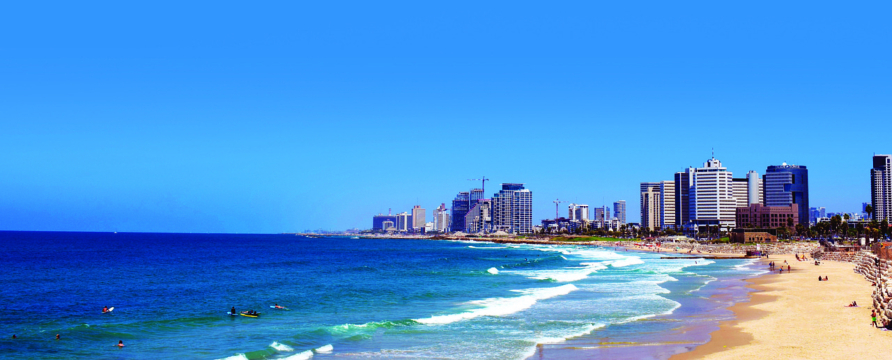
Tel Aviv’s coastline is one of its defining features — 14 kilometres of Mediterranean beach running almost the length of the city. Gordon Beach, Frishman Beach, and Hilton Beach are the most popular. The promenade (tayelet) is a constant hum of activity: joggers, cyclists, families, surfers, and beach volleyball players from early morning until well after dark. For a full overview of the country’s coastline, see our guide to the best beaches in Israel.
The sea is warm enough to swim comfortably from May through October, and even in winter the beach remains a social hub.
The White City and Architecture
Tel Aviv’s White City — a UNESCO World Heritage Site — contains the world’s largest concentration of Bauhaus (International Style) architecture, with over 4,000 buildings constructed in the 1930s and 1940s by architects who had trained in Europe. The curved balconies, pilotis, and ribbon windows are distinctive and beautiful, particularly in the early morning light. Take a self-guided walking tour or join one of the official White City tours that depart from Rothschild Boulevard on Friday mornings.
Food and Markets
Tel Aviv is one of the great food cities of the world, with a culinary scene that draws on the diverse origins of the Israeli population to create something entirely its own. Hummus, shakshuka, and fresh-baked laffa bread are ubiquitous; so are high-end tasting menus, Japanese-Israeli fusion restaurants, and everything in between.
The Carmel Market (Shuk HaCarmel) is the city’s main outdoor market — a sprawling, sensory experience of fresh produce, spices, street food, and cheap clothing. Visit in the morning for the best selection and atmosphere. For a more curated food experience, the nearby Levinsky Market specialises in spices, pickles, and imported delicacies.
Jaffa
Ancient Jaffa (Yafo), now absorbed into the southern edge of Tel Aviv, is one of the oldest port cities in the world and a striking contrast to its modern neighbour. The renovated old town is a maze of stone alleyways, galleries, boutique restaurants, and flea market stalls. The flea market (Shuk HaPishpeshim) is a genuine treasure hunt — antiques, vintage clothing, handmade jewellery, and street food.
Jaffa is also a mixed Jewish-Arab neighbourhood and one of the best places in Israel to experience the coexistence of cultures that defines much of the country’s social fabric.
Nightlife
Tel Aviv’s nightlife is legendary. The city is genuinely open 24 hours — clubs do not get going until 1am, and carry on well into Sunday morning. Rothschild Boulevard, the Florentin neighbourhood, and the Port (Namal) area are the main hubs. The scene spans everything from intimate bars and rooftop terraces to large clubs with world-class DJs.
Tel Aviv is also one of the most LGBTQ+-friendly cities in the world. Venues throughout the city are welcoming and the annual Pride parade draws hundreds of thousands of participants.
Not sure whether Tel Aviv or the south is right for you? Our Tel Aviv vs Eilat comparison can help you decide.
The Dead Sea: A Bucket-List Experience
At 430 metres below sea level, the Dead Sea is the lowest point on earth — a fact that never quite loses its novelty. Its water is approximately ten times saltier than the ocean, which means you float effortlessly on the surface, unable to sink no matter how you position yourself. It is a genuinely unique physical experience.
The mineral-rich black mud found along the shore has been used for therapeutic purposes for centuries and is widely believed to benefit the skin. Smearing it on, letting it dry in the sun, and rinsing it off in the salty water is a ritual that virtually every visitor participates in with equal enthusiasm.
Practicalities
The Dead Sea is accessible as a day trip from both Jerusalem (approximately 45 minutes) and Tel Aviv (approximately 90 minutes). The main tourist beaches are on the western shore in the Ein Bokek area, where large resort hotels, public beach facilities, and freshwater showers are available.
A few important notes: the water is extremely salty and will sting painfully in any cut, scratch, or open wound. Do not splash water in your eyes. Do not shave the day before visiting. Floating is fine; swimming is not recommended. Stay in the water for no more than 15–20 minutes at a time. Drink plenty of water — the heat and the salt are dehydrating.
The Galilee and the North
Northern Israel is the country’s greenest and most lush region, and one of its most rewarding for visitors who want to move beyond the main tourist trail.
The Sea of Galilee (Kinneret)
The Sea of Galilee — actually a freshwater lake — is Israel’s main water reservoir and one of its most beautiful natural features. The shores are dotted with significant historical and religious sites: Capernaum, where Jesus is said to have based much of his ministry; Tabgha, the site of the miracle of the loaves and fishes; and the Mount of Beatitudes, where the Sermon on the Mount was delivered according to Christian tradition.
The lake also offers boat trips, kayaking, cycling along its perimeter, and excellent fish restaurants specialising in “St. Peter’s fish” (tilapia), pulled fresh from the water.
Tiberias
Tiberias, on the western shore of the Sea of Galilee, is the main urban centre of the region and a natural base for exploring the north. It is one of Judaism’s four holy cities and home to the tombs of significant rabbinical figures including Maimonides. The town has a relaxed, unhurried atmosphere that contrasts pleasantly with the pace of Tel Aviv or Jerusalem. For premium accommodation in the area, see our guide to short-term rentals in Tiberias.
Nazareth
Nazareth, the largest Arab city in Israel, is a fascinating and often undervisited destination. The Basilica of the Annunciation is one of the most significant Christian sites in the country. The old market (souk) is a genuine, working market — not a tourist attraction — and the Arabic food scene, particularly the traditional Galilean cuisine, is exceptional.
Haifa
Haifa, Israel’s third-largest city, is home to the Bahá’í World Centre — a series of stunning terraced gardens cascading down the slopes of Mount Carmel, framing a golden-domed shrine visible from across the bay. The gardens are a UNESCO World Heritage Site and one of the most beautifully maintained public spaces in the world. Entry is free.
Haifa also has excellent museums, a thriving university culture, and a reputation for harmonious Jewish-Arab coexistence that makes it one of Israel’s most interesting cities to explore at street level.
The Golan Heights
The Golan Heights, northeast of the Sea of Galilee, is a dramatic volcanic plateau with excellent hiking, wineries producing some of Israel’s best red wines, and sweeping views over the Jordan Valley and into Syria. Nimrod Fortress, a Crusader-era castle perched above the valley, is one of the most impressive medieval fortifications in the region.
The Negev Desert: Israel’s Wild South
The Negev Desert covers more than half of Israel’s total land area and is one of the country’s most spectacular and undervisited regions. The landscape ranges from lunar craters to canyons, from sand dunes to ancient Nabataean trade routes.
Ramon Crater (Makhtesh Ramon)
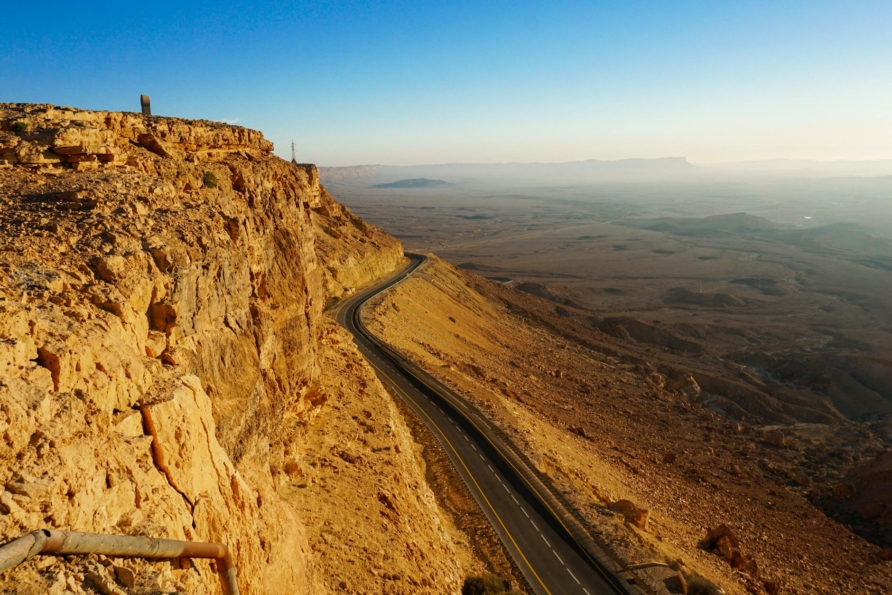
The Makhtesh Ramon is the world’s largest erosion crater — 40 kilometres long, 10 kilometres wide, and 500 metres deep. It is a geological wonder of the first order, and the town of Mitzpe Ramon on its rim is a charming, bohemian base for exploring it. Hiking, jeep tours, camel trekking, and stargazing (the Negev has some of the darkest skies in Israel) are all available.
Eilat and the Red Sea
Eilat, at the southern tip of Israel on the Red Sea, is a resort town known for year-round sunshine, world-class diving and snorkelling, and a relaxed, holiday atmosphere. The coral reefs of the Red Sea are among the most biodiverse in the world and in remarkably good condition. Even non-divers can snorkel directly from the beach and encounter extraordinary marine life within metres of the shore. For the full picture, see our complete guide to Eilat.
Eilat is also Israel’s warmest destination in winter — temperatures rarely drop below 20°C — making it a popular escape from the cold in January and February.
Practical Tips Before You Travel
Currency and Payments
The Israeli currency is the New Israeli Shekel (ILS). As of 2026, the exchange rate is approximately 3.6–3.8 NIS to the US dollar, though this fluctuates. Credit and debit cards (Visa, Mastercard) are accepted almost everywhere in cities and tourist areas. American Express has more limited acceptance.
Carry some cash for markets, small cafés, tipping, and emergencies. ATMs are widely available throughout the country. Avoid exchanging currency at airports where rates are poor — use ATMs or bank branches in the city instead.
Language
Hebrew is the official language of Israel, with Arabic also holding official status. However, English is understood and spoken to a high standard in virtually all tourist areas, hotels, restaurants, and by most people under the age of 50. You will rarely struggle to communicate.
Learning a few words of Hebrew is appreciated but not necessary: shalom (hello/goodbye/peace), toda (thank you), and bevakasha (please/you’re welcome) will serve you well.
Religion and Local Customs
Israel is home to deeply religious Jewish, Muslim, and Christian communities, and respectful awareness of local customs makes a significant difference.
In ultra-Orthodox Jewish neighbourhoods — Mea Shearim in Jerusalem, Bnei Brak near Tel Aviv — modest dress is expected and appreciated. Women should cover their arms, legs, and head; men should avoid shorts. These neighbourhoods are fascinating to walk through but require sensitivity.
Shabbat (Saturday) transforms much of Jerusalem and many smaller cities from Friday sundown to Saturday nightfall. Buses stop running, most shops and restaurants close, and a genuine quiet descends. Some visitors find this unexpectedly moving. Practical implications: stock up on food and supplies before Shabbat begins, book restaurants that you know will be open, and be prepared for limited transport options.
In Muslim areas and mosques, remove your shoes and dress modestly. During Ramadan, be respectful of those who are fasting.
Power and Connectivity
Israel uses Type H plugs (the distinctive three-prong triangular design) at 220V. Most modern electronics (laptops, phones, cameras) handle 220V automatically, but check your device before plugging in. Universal travel adaptors work well.
Mobile connectivity in Israel is excellent throughout the country, including in rural areas and the desert. Local SIM cards are inexpensive and available from the duty-free area at Ben Gurion Airport or from telecoms shops in any city. Golan Telecom and Hot Mobile offer good value tourist plans with generous data allowances.
Health and Vaccinations
No specific vaccinations are required for travel to Israel from most Western countries. Standard travel health precautions apply: travel insurance (essential), sun protection, adequate hydration, and basic first aid supplies.
Tap water is safe to drink throughout Israel. Pharmacies (beit merkachat) are well-stocked and pharmacists are knowledgeable — many speak English.
Tipping
Tipping is customary and expected in Israel. In restaurants, 10–15% of the bill is standard. Tip hotel housekeeping, tour guides, and taxi drivers. Tipping at cafés is appreciated but not obligatory. Ensure that tips go directly to the service person rather than being added to a card payment — cash tips are preferable.
Staying Safe in Israel
Safety is understandably a concern for many first-time visitors to Israel, and it deserves a direct, honest response.
The major tourist destinations — Tel Aviv, Jerusalem, Haifa, the Dead Sea, the Galilee, Eilat — are safe for visitors and have been throughout various periods of regional tension. Israel has one of the most robust security infrastructures in the world. Security is visible — at entrances to shopping centres, hotels, and public spaces — but this visibility is part of what makes the environment controlled.
The standard advice applies: check your government’s official travel advisory before departure, register with your embassy if your country offers this service, purchase comprehensive travel insurance, and follow local news and guidance while on the ground.
Travelling with a reputable local provider makes a meaningful difference — both for practical logistics and for peace of mind. Companies like KeyHost, which have deep local knowledge and established networks, can provide current, on-the-ground guidance that no travel website can match.
Where to Stay in Israel
Israel offers accommodation across the full spectrum — from luxury five-star hotels in Tel Aviv and Jerusalem to boutique city apartments, kibbutz guesthouses, desert eco-camps, and private villas.
For independent travellers seeking a premium, professionally managed experience, KeyHost offers a curated portfolio of high-quality properties across Israel’s main destinations — Tel Aviv, Jerusalem, Tiberias, the Dead Sea, Haifa, Caesarea, and Eilat. Every property is carefully selected and managed to ensure consistent quality, with attentive concierge service from arrival to departure.
Whether you are visiting for a family holiday, a romantic break, a religious pilgrimage, or an extended business trip, the right accommodation sets the tone for your entire experience. Choosing a well-managed property means fewer surprises, better local knowledge, and more space to focus on what you came for.
Explore our full portfolio at keyhost.online.
Suggested Itineraries
5 Days — First Visit
Day 1–2: Jerusalem. Old City, Western Wall, Church of the Holy Sepulchre, Mahane Yehuda market, Israel Museum or Yad Vashem.
Day 3: Dead Sea. Day trip from Jerusalem. Float, mud, sun, freshwater shower.
Day 4–5: Tel Aviv. White City walk, Carmel Market, Jaffa, beaches, restaurants, nightlife.
8 Days — Extended Exploration
Days 1–3 as above, then:
Day 4: Haifa and Caesarea. Bahá’í Gardens in the morning, Roman amphitheatre and Crusader port at Caesarea in the afternoon.
Day 5–6: Galilee. Sea of Galilee, Tiberias, Capernaum, Nazareth. Stay two nights.
Day 7: Golan Heights. Winery visit, Nimrod Fortress, viewpoints.
Day 8: Return to Tel Aviv. Final beach morning, last meal, departure.
12 Days — The Full Country
Add to the above: 2 nights in Eilat (Red Sea diving/snorkelling), 1 night in the Negev (Makhtesh Ramon, desert stargazing), and a deeper dive into any region that particularly captured your interest on the first pass.
For detailed neighbourhood maps, restaurant picks, and day-by-day itineraries for each city, download our free city guides.
Final Thoughts
Israel is a country that gets under your skin. It is complex, contradictory, exhausting, exhilarating, and — for almost every visitor — profoundly memorable. The history is incomparable, the food is extraordinary, the landscape is endlessly varied, and the people, for all their directness (which can take some adjustment), are genuinely warm and generous hosts.
2026 is an excellent time to visit. The country is open, the infrastructure is strong, and the tourism sector is eager to share what Israel has to offer with a new generation of travellers.
Plan ahead. Book early for peak periods. Move between regions — do not spend your entire trip in one city. Allow yourself to be surprised. And when you arrive, put down your phone occasionally and simply pay attention. Israel will reward you for it.
Discover our premium stays and concierge services at keyhost.online.