
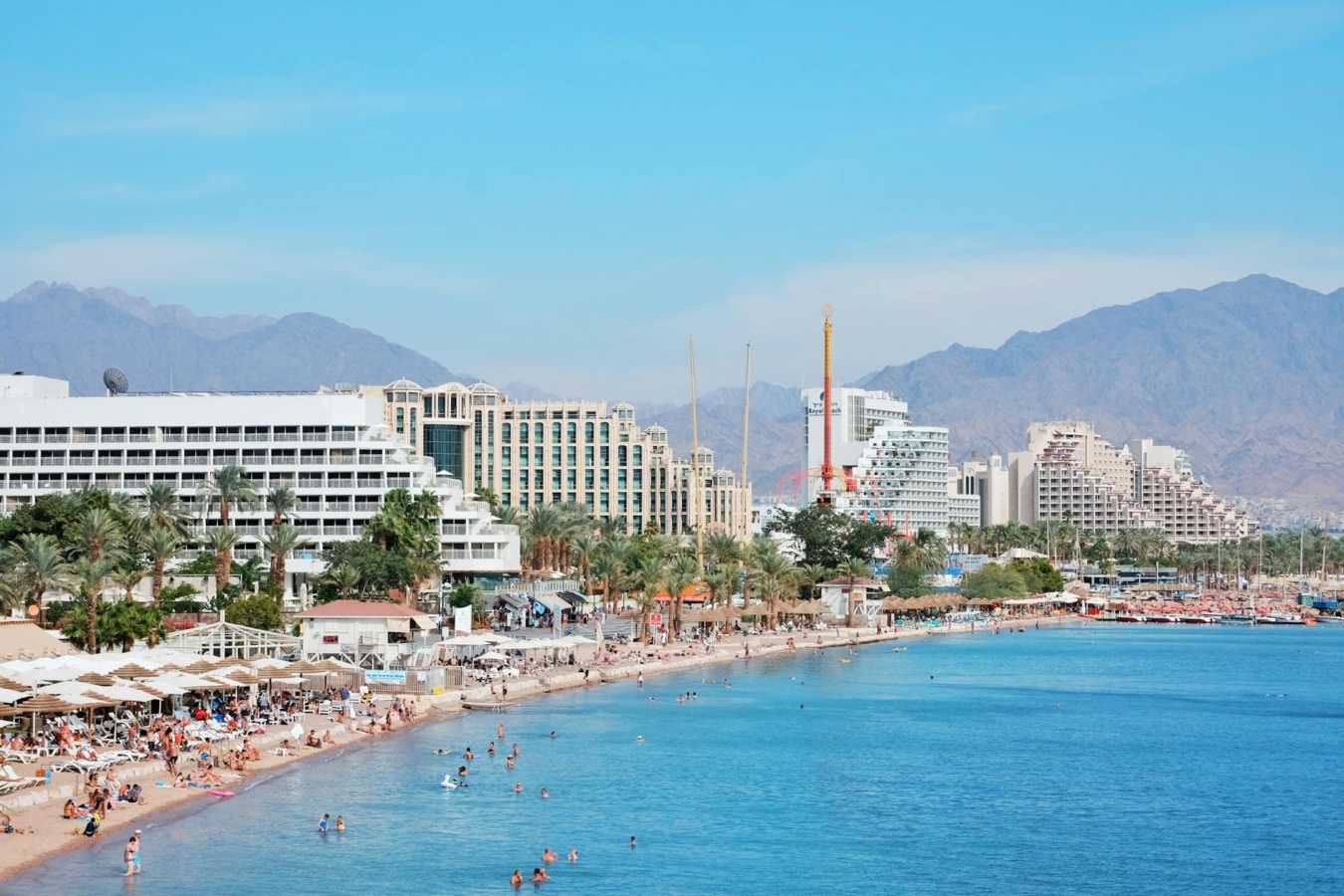
Eilat is unlike anywhere else in Israel. A resort city perched at the southern tip of the country, where the Negev Desert meets the Red Sea, it offers something that no other Israeli destination can match: guaranteed sunshine, world-class coral reefs, and a year-round holiday atmosphere that operates independently of the rhythms of the rest of the country.
For visitors planning an extended stay, a family holiday, or a winter escape from colder climates, short term rentals in Eilat offer a level of comfort, flexibility, and value that hotels simply cannot match. This guide covers everything you need to know to plan your stay — from choosing the right neighbourhood to making the most of the Red Sea coast.
Why Eilat?
Eilat sits at the northernmost tip of the Red Sea, at the point where Israel, Jordan, Egypt, and Saudi Arabia converge. It is one of those rare places where the geography itself is the attraction — the mountains of Jordan glow pink at sunset across the water, the Egyptian city of Taba is visible from the beach, and the sea itself, in shades of turquoise and deep blue, is home to some of the most extraordinary marine life on the planet. For a full country overview, see our complete guide to traveling in Israel.
The city was founded in the early years of the Israeli state and has grown into a purpose-built resort destination with a population of around 50,000 that swells dramatically during holiday periods. It is Israel’s only outlet to the Red Sea and has a special economic status that makes it largely tax-free — meaning shopping, dining, and entertainment are meaningfully cheaper than in Tel Aviv or Jerusalem.
What makes Eilat genuinely special is the combination of natural assets that are simply unmatched in the region: coral reefs that have survived largely intact, mountains that offer world-class hiking, a desert landscape of extraordinary beauty, and a sea warm enough to swim in every month of the year.
When Is the Best Time to Visit Eilat?
One of Eilat’s defining characteristics is its climate. The city receives more sunshine per year than almost anywhere else in Israel — and indeed anywhere in Europe or the Mediterranean. Rain is genuinely rare. Temperatures are warm to hot year-round.
Winter — November to March
Winter is arguably Eilat’s best season, and certainly its most popular with visitors from colder climates. While Tel Aviv is grey and Jerusalem is cold and occasionally snowy, Eilat basks in temperatures of 20–25°C. The sea is cooler — around 21–22°C — but perfectly swimmable, and the clarity of the water in winter is exceptional, making it the best season for snorkelling and diving.
Israeli school holidays in winter (Hanukkah, typically in December, and the mid-year break in February) bring significant domestic tourism. Book well in advance for these periods.
Spring — April to May
Spring is a transitional season in Eilat. Temperatures rise quickly from March onwards — by May, daytime highs are regularly reaching 35°C. The sea warms to a comfortable 24–25°C. Passover (March or April) is one of the busiest periods of the year in Eilat — the city fills with Israeli families and prices spike. Outside of Passover, spring offers excellent conditions with fewer crowds than winter.
Summer — June to September
Eilat in summer is hot. Very hot. Temperatures routinely exceed 40°C in July and August, and the heat is dry and relentless. The sea, however, reaches 27–28°C — bath-warm and perfect for swimming. The city is considerably quieter in summer than in winter, as many Israelis choose cooler destinations and international tourists are deterred by the heat.
For those who can handle the heat — and it requires genuine preparation — summer in Eilat has its own appeal: empty beaches, lower prices, and long, spectacular evenings when the temperature drops to a more manageable 28–30°C.
Autumn — October to November
October and November represent another excellent window for visiting Eilat. The summer heat has broken, temperatures settle back into the 25–32°C range, and the sea remains warm from the summer. Crowds are minimal outside of the Sukkot holiday period (typically October), which is one of the busiest weeks of the Israeli calendar in Eilat.
Choosing the Right Area in Eilat
Eilat is a relatively compact city, and most accommodation is clustered around the seafront and the North Beach area. Understanding the different zones helps you choose the right base for your stay.
North Beach
North Beach is the heart of Eilat’s tourist infrastructure. The main promenade runs along the waterfront here, lined with hotels, restaurants, shops, and water sports centres. The beach itself is wide, well-maintained, and equipped with facilities. This is the most convenient location for families with children, first-time visitors, and anyone who wants to be within easy walking distance of restaurants and activities.
Short term rentals in the North Beach area put you at the centre of everything — the Underwater Observatory Marine Park is a short walk away, the city’s main shopping areas are nearby, and access to the beach requires nothing more than stepping outside.
Hotel Area and Royal Beach
The stretch of coastline south of North Beach, sometimes called the Hotel Area or Royal Beach, is where Eilat’s larger resort hotels are concentrated. Rental apartments in this area tend to be in newer, well-equipped buildings and offer a quieter, more resort-like atmosphere while still being within easy reach of the main beach and promenade.
This area works particularly well for couples and visitors prioritising relaxation over proximity to nightlife and restaurants.
City Centre
Eilat’s city centre, slightly inland from the beach, offers the most affordable short term rentals and puts you within walking distance of the local market, supermarkets, and the everyday services that make an extended stay comfortable. The beach is a 10–15 minute walk from most city centre locations.
For longer stays — a week or more — the city centre is worth considering. The lower rental prices free up budget for activities, dining, and day trips, and the proximity to local markets and supermarkets makes self-catering genuinely practical.
South Beach and Coral Beach
South of the city, towards the Egyptian border, Coral Beach is home to Eilat’s most important marine nature reserve. The coral reef here is among the most accessible in the world — you can snorkel directly from the beach and within minutes encounter a fully intact coral ecosystem with extraordinary diversity of fish. Short term rentals in this area are quieter and more residential in character, and are particularly suited to divers, snorkellers, and anyone prioritising access to the reef over proximity to the city’s nightlife and restaurants. For a full overview of the country’s coastline, see our guide to the best beaches in Israel.
Activities and Experiences in Eilat
The Red Sea Coral Reef
Eilat’s coral reef is its defining attraction and one of its most precious natural assets. The northern Red Sea reefs are among the healthiest in the world — better preserved than much of the Great Barrier Reef, and extraordinary in their diversity of hard and soft corals, fish species, and marine life.
Snorkelling is accessible to anyone who can swim. The reef at Coral Beach Nature Reserve begins just metres from the shore, and even a basic snorkel reveals a world of extraordinary colour and life. Rental equipment is available on site.
Diving takes the experience to another level entirely. Eilat has numerous PADI-certified dive centres offering courses from beginner to advanced level, guided dives for certified divers, and speciality courses in underwater photography, night diving, and wreck diving. The Japanese Gardens, Moses Rock, and the wreck of the MILCOA are among the most celebrated dive sites.
The Underwater Observatory Marine Park
One of Eilat’s most popular attractions for families and non-divers, the Underwater Observatory allows you to descend below the surface of the Red Sea without getting wet. The glass observation room sits on the reef floor, offering a 360-degree view of the coral and the fish that inhabit it. Above water, the park includes an aquarium, shark tank, and turtle pools.
Desert Adventures
Eilat sits at the gateway to some of Israel’s most spectacular desert landscapes. The Negev Desert stretches north, and the mountains to the east and west offer extraordinary hiking, jeep tours, and camel treks through terrain that ranges from lunar rock formations to hidden canyons.
The most accessible desert experience from Eilat is the Moon Valley (Wadi Gevanim), a short drive from the city, where red sandstone formations create a landscape that feels entirely unlike anywhere else in the region. Sunrise and sunset in the desert around Eilat are genuinely spectacular.
For those with more time, a multi-day jeep safari through the Negev — combining Eilat with the Makhtesh Ramon crater and the ancient Nabataean city of Avdat — is one of the great road trips in Israel.
Water Sports
Beyond snorkelling and diving, Eilat offers a comprehensive range of water sports. Windsurfing and kitesurfing are particularly popular — the consistent winds that funnel down the Gulf of Aqaba make conditions excellent for both sports. Kayaking, paddleboarding, banana boat rides, and parasailing are all available on the main beaches.
Glass-bottom boat tours are a good option for younger children or anyone who wants to see the reef without getting in the water. Boats depart regularly from the North Beach marina.
Day Trips: Jordan and Petra
Eilat’s unique geographic position makes it the natural starting point for day trips to Jordan and the ancient city of Petra. The Wadi Araba border crossing, just north of Eilat, provides access to Jordan, and Petra is approximately two hours’ drive from the crossing.
Petra — the rose-red city carved into the rock by the Nabataeans 2,000 years ago — is one of the genuine wonders of the ancient world and well worth the additional travel. Day trips can be arranged through local tour operators, or the crossing can be done independently. Check current border crossing requirements and visa regulations before planning this excursion, as these can change.
Dolphin Reef
South of the city, Dolphin Reef is a unique attraction where a pod of bottlenose dolphins lives in a semi-natural enclosure in the Red Sea. Visitors can observe the dolphins from pontoons, snorkel alongside them (booking in advance is essential), or simply enjoy the unusually tranquil atmosphere of the site, which also has a relaxation area and a good café. It is one of Eilat’s most distinctive and memorable experiences.
Why Short Term Rentals Are the Best Choice in Eilat
Hotels in Eilat are plentiful — the city has one of the highest concentrations of hotel rooms per capita of any city in Israel. But for most visitors, particularly families, couples on extended breaks, and independent travellers, short term rentals offer a significantly better experience.
Space and Comfort
A short term rental in Eilat gives you a full apartment — separate bedrooms, a living area, a full kitchen, and typically a balcony or terrace. For families with children, this space is transformative: children can go to bed while adults remain awake, meals can be prepared and eaten at your own pace, and the accumulated detritus of a beach holiday has somewhere to go.
For couples, the privacy and atmosphere of a well-chosen apartment is simply more appealing than a hotel room, particularly for stays of more than a few nights.
Kitchen and Self-Catering
Eating out in Eilat is enjoyable, but doing so for every meal over a week or more adds up quickly. A fully equipped kitchen allows you to shop at the local market, prepare breakfasts and lunches, and reserve restaurant meals for evenings and special occasions. This alone can significantly reduce the total cost of a stay.
The local market near the city centre and several well-stocked supermarkets make provisioning easy. Fresh fish, vegetables, and local produce are excellent quality and reasonably priced.
Better Value for Families
A hotel room that accommodates a family of four comfortably costs significantly more than a two-bedroom apartment rental. The cost differential grows with the length of stay, making short term rentals increasingly attractive for holidays of a week or more.
Local Experience
Short term rentals tend to be located in residential areas and apartment buildings that give you a more authentic sense of daily life in Eilat. You shop at the same supermarket as locals, walk the same streets, and experience the city differently from the filtered, resort-bubble atmosphere of a large hotel.
Short Term Rentals in Eilat with KeyHost
KeyHost offers a carefully curated portfolio of premium short term rentals in Eilat, selected for quality, location, and value. Every property in the KeyHost portfolio is professionally managed and maintained to a consistent standard, with attentive concierge service that covers everything from pre-arrival logistics to local recommendations and any issues that arise during your stay.
Whether you are looking for a seafront apartment with Red Sea views, a family-sized property near the beach, or a quieter retreat close to Coral Beach and the nature reserve, KeyHost’s Eilat properties are chosen to match the full range of visitor needs.
The KeyHost concierge team has deep local knowledge of Eilat — the best dive operators, the quietest sections of reef, the restaurants that locals actually eat in, the timing of local events and festivals. This knowledge is available to every KeyHost guest.
Explore our Eilat properties at keyhost.online.
Not sure whether to head north or south? Our Tel Aviv vs Eilat comparison can help you decide.
Practical Information for Visiting Eilat
Getting There
By air: Eilat’s Ramon Airport (ETM), opened in 2019 and located 18 kilometres north of the city, handles domestic and international flights. Direct flights operate from Tel Aviv (35 minutes), and charter and low-cost flights connect Eilat with several European cities during the winter season. Check current routes carefully as the international schedule varies by season.
By bus: Egged operates long-distance bus services between Eilat and Tel Aviv (approximately 4.5–5 hours) and Eilat and Jerusalem (approximately 4 hours). The buses are comfortable and air-conditioned.
By car: Eilat is approximately 350 kilometres from Tel Aviv via Route 90 (the Arava Highway), running through the Negev and alongside the Dead Sea. The drive takes around 4 hours and is one of the most scenically extraordinary road journeys in Israel. A car is highly recommended for exploring the desert and the surrounding region.
Tax-Free Status
Eilat has a special economic zone status in Israel that exempts it from VAT on most goods and services. This makes shopping, dining, and hotel accommodation meaningfully cheaper than in other parts of the country. The duty-free shops at the entrance to the city are worth visiting for electronics, perfume, and alcohol.
Border Crossings
The Taba border crossing to Egypt is a short taxi ride from central Eilat. The Wadi Araba crossing to Jordan is approximately 5 kilometres north of the city. Both crossings are generally efficient, though wait times can vary. Check current visa requirements for both countries well in advance of your trip, and ensure your travel insurance covers cross-border travel.
Frequently Asked Questions
Is Eilat safe to visit in 2026? Yes. Eilat is one of Israel’s most visited destinations and has robust security infrastructure. The city has remained open to tourism throughout various periods of regional tension. Check your government’s current travel advisory before departure.
Can I snorkel in Eilat without experience? Yes. The reef at Coral Beach Nature Reserve is accessible to anyone who can swim and is comfortable in the water. Equipment rental is available on site. The reef begins within metres of the shore.
What is the water temperature in Eilat? The Red Sea at Eilat ranges from approximately 21°C in winter (January–February) to 28°C in late summer (August–September). It is swimmable year-round.
How far is Eilat from Tel Aviv? Approximately 350 kilometres by road — around 4 hours by car or 4.5–5 hours by bus.
Are there direct flights to Eilat from Europe? Yes, during the winter season. Charter and low-cost carriers connect Eilat’s Ramon Airport with several European cities, primarily in the UK, Germany, and Eastern Europe. Check current schedules as these vary by season.
Is Eilat worth visiting in summer despite the heat? Yes, if you are prepared for temperatures above 40°C during the day. The heat breaks in the evenings, and the sea is at its warmest. Prices are lower and beaches are quieter. Plan outdoor activities for early morning or evening.
How many days should I spend in Eilat? A minimum of three nights is needed to enjoy the reef, try a desert excursion, and experience the city at a relaxed pace. Five to seven nights is ideal for families and anyone planning a Petra day trip. Many visitors find themselves wishing they had stayed longer.
Final Thoughts
Eilat is a place that rewards proper time. Its combination of extraordinary natural assets — one of the world’s great coral reefs, dramatic desert mountains, and a sea warm enough to swim in every day of the year — is simply not replicated anywhere else in the region.
Short term rentals give you the space, the comfort, and the flexibility to experience Eilat on your own terms: cooking breakfast at your leisure, snorkelling before the day-trippers arrive, watching the Jordanian mountains change colour from your balcony as the sun goes down.
For premium, professionally managed short term rentals in Eilat, explore the KeyHost portfolio at keyhost.online.
